How to handle the relationship between the media and startups?
Mar Galtés, a journalist specializing in Economics at La Vanguardia newspaper, has been reporting and monitoring the technological and digital ecosystem in Barcelona since its inception. In fact, you could say she's its official chronicler.
Community
By Tech Barcelona · Jun 24, 2018
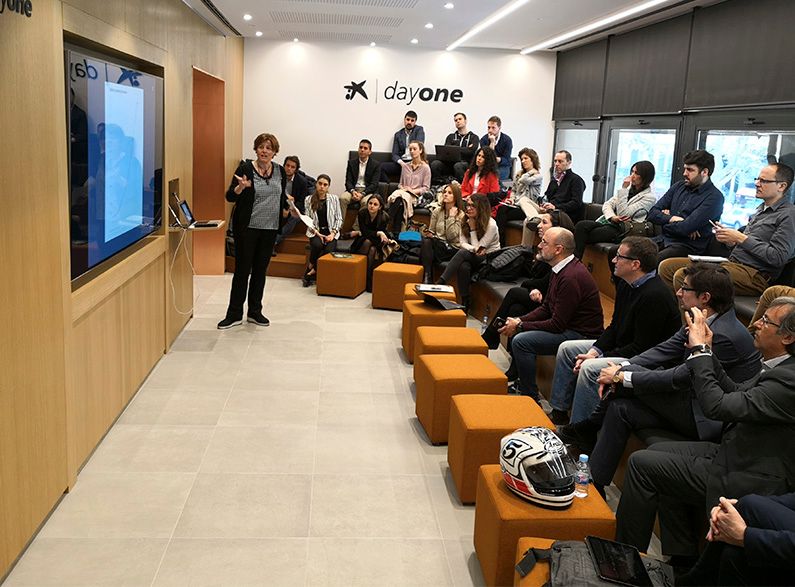
Mar Galtés, a journalist specializing in Economics at La Vanguardia newspaper, has been reporting and monitoring the technological and digital ecosystem in Barcelona since its inception. In fact, you could say she's its official chronicler. As a journalist she has a special interest in the stories behind companies, innovation and entrepreneurs. And she explained, based on her professional experience, how to handle the relationship between a startup and the media.
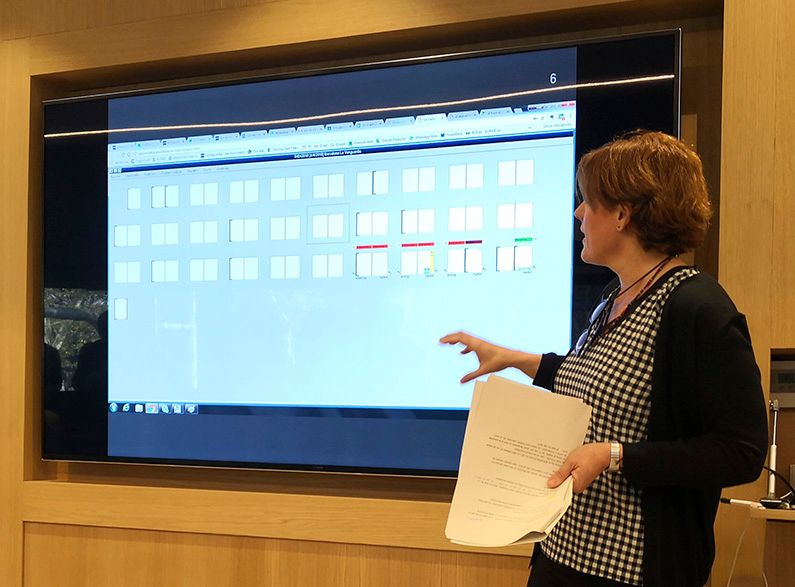
For any company, of any size, appearing in the media is an excellent opportunity to make yourself known and to communicate your news. But making the news is not easy and there are certain elements to consider. It is therefore very helpful to know first-hand how a newsroom and its routines work, especially in the print media. These routines were shared by Mar Galtés with the attendees of the seminar held in the CaixaBank DayOne space.
Not everything that happens can be published, you have to choose. This is why the media hold several daily meetings where the people in charge of each section explain the topics they are going to deal with and plan what the newspaper will be like.
But what's news?
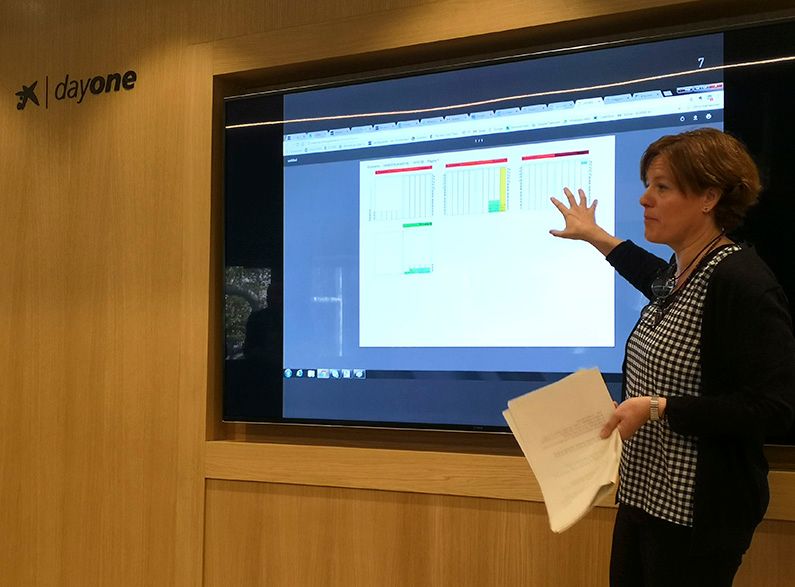
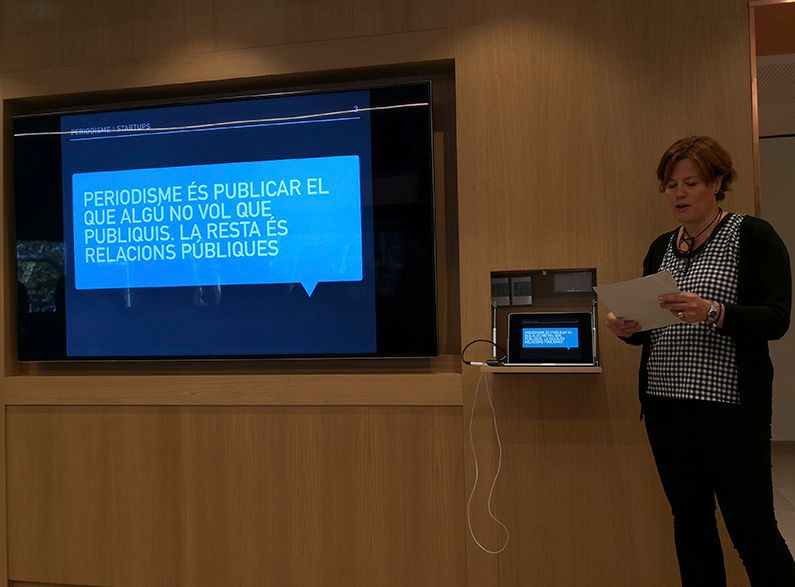
"A news item is an event of interest to be explained at a specific time, in a specific place and with a specific audience", says Mar Galtés. But a lot happens in the world, so it's a journalist's job to choose what makes the news. In this phase, in addition to the journalist's criteria, there are other elements that affect the day's other topics or possible extraordinary events that may occur. A detail that often goes unnoticed by the layman is the placement of information or news items on the pages of the newspaper. "Apart from the content, there is the metadata related to the location and size of the item.... that conveys more information about how this information has been appraised and is important in prioritization", Galtés says.Where are news items featured?
There are different sources of news: from media agencies to the actual companies that send their press releases, and which are usually numerous and received by all the media. News agencies - such as EFE, Europa Press, ACN, Reuters, etc. - are news providers. And finally, journalists have a network of contacts, which "is a journalist's main asset".
What can we do to appear in the media?
Whether or not a story appears in the news depends on different criteria, but sometimes it is also the result of many coincidences. "It is difficult to define because there are no guidelines to follow, there are no rules," says the veteran journalist. By way of illustration, Mar Galtés explained some basic points for contact with the media:- Try to communicate a story that is new and meaningful. "For you what you do is the most important thing in the world, but you have to look at it from somebody else's perspective: "Does it matter if readers don't read about it tomorrow?"
- Take advantage of any contact the journalist already has. This makes them easier to approach.
- Long-term trust. "Quid pro quo is very important in a long-term relationship", she says.
- Have realistic expectations. "Being in the news is not about looking for a boyfriend", she says regarding companies that have found investors after appearing in the media. "That's all very well, but you have to have a story as well, we're not magic makers".
- Don't use comparisons with other companies. Avoid using expressions such as `the Uber of or the Airbnb of...`. "If you're copying someone, you can't be so revolutionary. We don't feed on illusions in the media, it's all very well for entrepreneurs, but we need other elements to make an article", says Galtés.
- Prior research. Before sending out press releases or contacting a media outlet, it is advisable to "make an effort to get to know it, to see what sections it has, what news it publishes and where we might fit in", advises Mar Galtés.
- Direct contact. Another of her recommendations is to talk to the media outlet before sending a press release (PR). Perhaps the media outlet is interested in doing a story or an interview before the PR is sent out on a massive scale. Again, direct contact is vital.
- The concept of exclusive. This is another somewhat delicate issue. "We journalists really like exclusives, but you have to understand what it is," she says. "We want news that people don't read elsewhere, with so much competition we have to differentiate ourselves", she explains.
- Propose a clear interlocutor. "If I can talk to the CEO, I don't want the communications director. And if I have the communications director, I don't want to talk to the agency. Agencies do a great job in helping companies to understand all this and to focus on their communication strategy, but the direct relationship of dialogue is important", says the journalist, a specialist in economics.
- Times and opportunities. "It's likely that if you call a newspaper in the morning there will be no one there because we are working outside the newsroom, interviewing people. If you send a very long email, depending on the time of day, we're not going to be able to read it…", she says. You also need to know how to take advantage of opportunities: many startup items usually appear on Mondays because on Sundays there isn't much news and they are left for that day.
- Don't be afraid to insist. Editorial teams receive large amounts of emails and information every day. "We try to listen to everyone, but sometimes we do miss an email." So don't be afraid to call and try to talk to the journalist. However, it is advisable not to do so at closing time.